3rd INTERNATIONAL CONFERENCE IN MARINE BIOTECHNOLOGY 2026

KEYNOTE SPEAKERS
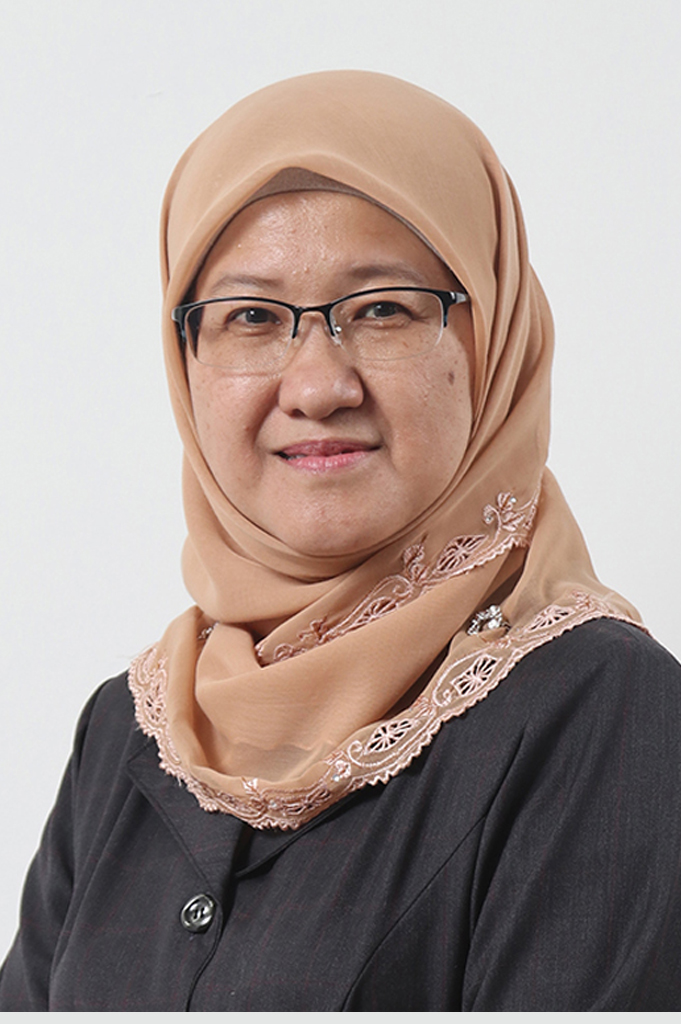
Prof Datuk Wira Dr. Raha Abdul Rahim
National Institutes of Biotechnology Malaysia (NIBM). Malaysia
raha@nibm.my
Harnessing Marine Microbial Innovation: Translational R&D for Ecosystem Resilience and Societal Well-being
*Raha Abdul Rahim, Marilyn Jaoi Edward, Halimah Alias, Siti Zuraidah Mohamad Zobir and Aisyah Shihah Mohamad Sanusi
National Institutes of Biotechnology Malaysia (NIBM), Jalan Bioteknologi, 43400 Serdang, Selangor, Malaysia
Malaysia’s marine environment, covering 334,671 km² of Exclusive Economic Zone (EEZ), is home to a rich diversity of marine microorganisms. Although microscopic, these organisms make up more than 90% of ocean biomass and play key roles in global carbon, nitrogen, and phosphorus cycles. They also contribute to oxygen production and support healthy marine ecosystems, including coral reefs, mangroves, fisheries, and nutrient cycles. Marine microbial biotechnology in Malaysia is advancing rapidly, driven by efforts in bioprospecting, diversity characterization, cultivation and engineering of marine microbes, and the development of microbial and biomedical applications. While scientific potential is immense, progress remains constrained by the difficulty of culturing many marine microbes, logistical challenges in offshore sampling, and the need to balance resource utilisation with ecosystem protection. Today, the bottleneck is not discovery but translation, turning microbial insights into innovations that deliver measurable impact. Malaysia’s national strategies provide a strong enabling landscape. The National Biotechnology Policy 2.0 strengthens the biotechnology ecosystem to address food security, climate resilience, and high‑value bio‑industry growth. The National Blue Economy Framework emphasises sustainable marine resource use and ecosystem protection. Complementing these, Research, Development, Innovation, Commercialization & Economy (RDICE) provides a national framework to connect research and innovation with economic development, strengthen Malaysia’s STI ecosystem, and translate research outcomes into practical benefits. By aligning marine microbial innovation with these strategic frameworks, marine biotechnology can contribute to new products, environmental solutions, and economic opportunities. A stronger link between research, industry, and government will be important to turn marine microbial research and development into practical applications while supporting ecosystem resilience, economic growth, and societal well-being.
Keywords. Marine biotechnology; Marine microbial diversity; Bioprospecting; Research translation