3rd INTERNATIONAL CONFERENCE IN MARINE BIOTECHNOLOGY 2026

PLENARY SPEAKERS
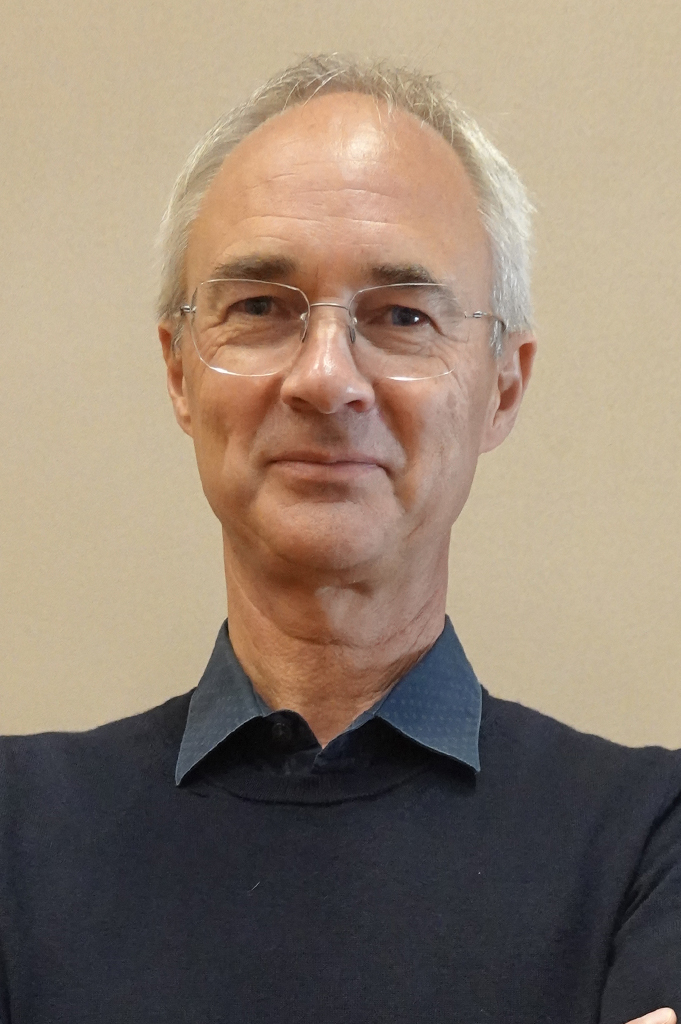
Prof. Dr. Yves Van de Peer
Center for Plant Systems Biology, Ghent University, Belgium
The Polyploid Ancestry of Seagrasses and Other Flowering Plants
We have recently obtained chromosome-level genome assemblies from representative species of three independently evolved seagrass lineages: Posidonia oceanica, Cymodocea nodosa, Thalassia testudinum, and Zostera marina. Comparative analysis of selected gene families suggests that the transition from submerged-freshwater to submerged-marine environments mainly involved fine-tuning of multiple processes (such as osmoregulation, salinity, light capture, carbon acquisition and temperature) that all had to happen in parallel, probably explaining why adaptation to a marine lifestyle has been exceedingly rare. Major gene losses related to stomata, volatiles, defence and lignification are probably a consequence of the return to the sea rather than the cause of it. All seagrass species also share an ancient whole-genome triplication, while additional whole-genome duplications were uncovered for C. nodosa, Z. marina and P. acutifolius. Polyploidy, or whole-genome duplication (WGD), serves as both a significant evolutionary force and a potential evolutionary dead end, particularly among angiosperms. Despite the prevalence of polyploid organisms, instances of ancient polyploidy are surprisingly rare, presenting a paradox that remains poorly understood. We recently also constructed a comprehensive genomic dataset of 470 angiosperm species and dated 132 ancient WGD events that are non-randomly distributed, revealing a clustering around pivotal periods of environmental upheaval and extinction. Notably, our findings highlight a strong correlation between waves of paleopolyploidization and significant events such as the Middle Miocene Disruption, the Eocene-Oligocene Transition (EOT), the Paleocene-Eocene Thermal Maximum (PETM), the Cretaceous-Paleogene (K-Pg) extinction, and different oceanic anoxic events (OAEs). We propose that polyploid organisms have an increased chance of survival during times of great environmental turmoil, a conclusion with important implications in the context of contemporary climate change and rapid global warming.