3rd INTERNATIONAL CONFERENCE IN MARINE BIOTECHNOLOGY 2026

PLENARY SPEAKERS
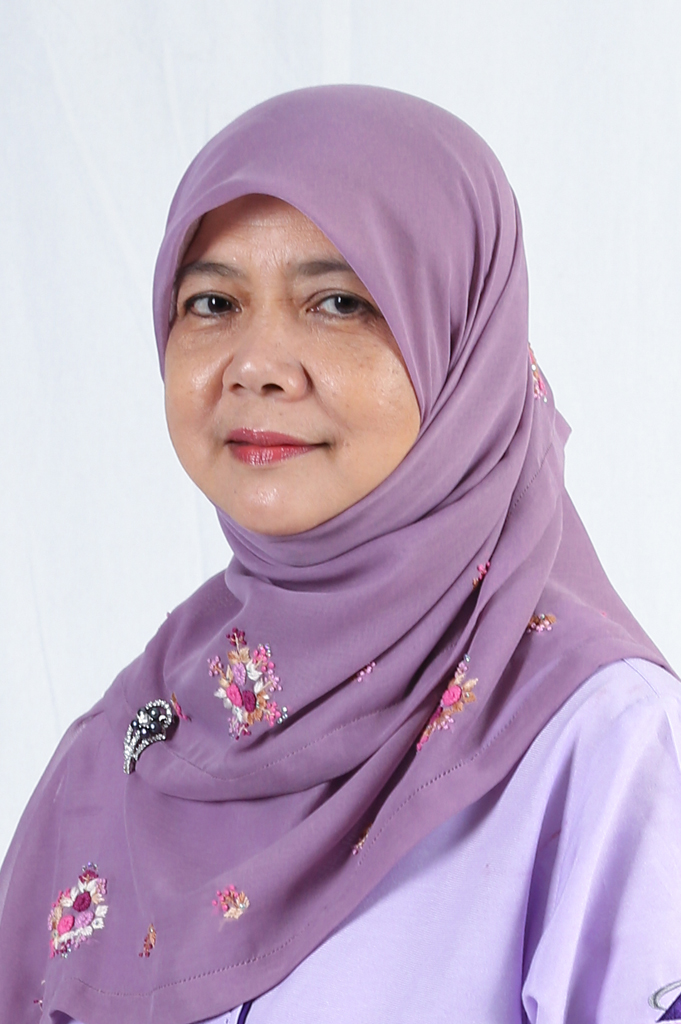
Prof. Dr. Siti Azizah Mohd Nor
Institute of Climate Adaptation and Marine Biotechnology (ICAMB), Universiti Malaysia Terengganu(UMT), Malaysia
s.azizah@umt.edu.my
From Molecules to Ecosystems: Biodiversity Assessment and Conservation in an Ecologically Rich Wetlands in Malaysia
aSiti Azizah Mohd Nor,a,* Tun Nurul Aimi Mat Jaafar,b and Noorhani Syahida Kasima
a Higher Institution Centre of Excellence, Institute of Climate Adaptation and Marine Biotechnology, Universiti Malaysia Terengganu, 21030 Kuala Nerus, Terengganu, Malaysia
b Faculty of Fisheries and Food Science Universiti Malaysia Terengganu, 21030 Kuala Nerus, Terengganu, Malaysia
This study demonstrates the application of a systems biology framework to biodiversity assessment and ecosystem management. Using the ecologically rich Setiu Wetlands, Malaysia, as a model ecosystem, it integrates morphological surveys with molecular approaches to support evidence-based conservation and sustainable fisheries management. Adult fish communities were surveyed using morphological identification, with species identities confirmed through DNA barcoding to establish a robust species inventory and genetic reference library. Larval fish communities were characterised using DNA metabarcoding, enabling the detection of early life stages and cryptic biodiversity that are often overlooked by conventional methods. These molecular datasets were integrated with ecological and habitat information to investigate species composition, biodiversity patterns, recruitment dynamics, habitat utilisation and ecosystem connectivity. The combined application of morphology, DNA barcoding and larval metabarcoding provided a more comprehensive assessment of fish biodiversity than any individual approach alone. DNA barcoding enhanced taxonomic accuracy and strengthened the reference library, while larval metabarcoding revealed hidden biodiversity and recruitment patterns across the wetland ecosystem. Integrating these complementary datasets with ecological information improved our understanding of ecosystem connectivity, habitat utilisation and the resilience of fish communities under environmental change. This case study highlights how genomics, bioinformatics and ecological observations can be integrated within a systems biology framework to generate holistic insights into ecosystem structure and function. By linking molecular information with ecological processes, this integrative approach strengthens evidence-based decision-making for biodiversity conservation, fisheries management and long-term ecosystem monitoring, while providing a valuable framework for addressing the challenges of climate change, habitat degradation and sustainable ecosystem management.
Keywords. Setiu Wetlands, Biodiversity, Morphology, DNA Barcoding, DNA Metabarcoding