3rd INTERNATIONAL CONFERENCE IN MARINE BIOTECHNOLOGY 2026

KEYNOTE SPEAKERS
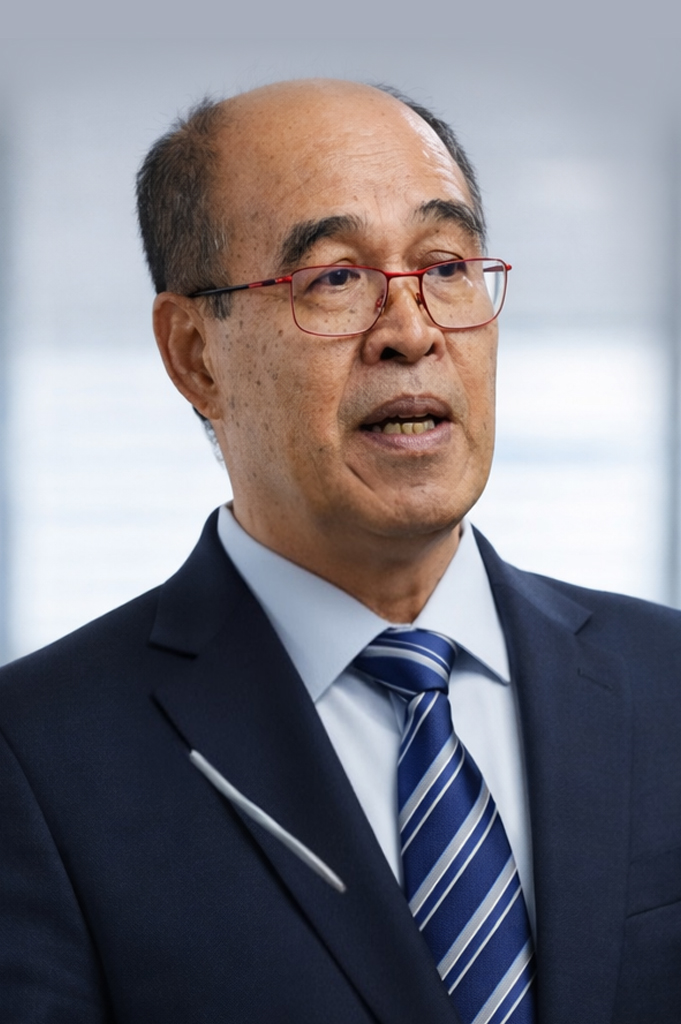
Profesor Dato’ Dr. Mohamed Isa Abd Majid
Universiti Sains Malaysia (USM),
Malaysia
isa@usm.my
Integrating Technology Readiness Level (TRL) to Pharmaceutical Product Registration Code (MAL): Standardising Herbal Medicine for the Malaysian Market.
Mohamed Isa Abd Majid, BPharm(USM), PhD( Bath, UK)
National Poison Centre, Universiti Sains Malaysia , 11800 Penang, Malaysia
Malaysia’s rich biodiversity positions the nation as a potent hub for herbal medicine innovation. However, translating traditional knowledge into globally competitive, evidence-based therapeutic products requires navigating complex regulatory landscapes and commercialization pathways. This plenary presentation explores the critical intersection between the Malaysian Sale of Drugs Act 1952 (and the Control of Drugs and Cosmetics Regulations 1984) and the Technology Readiness Level (TRL) framework recently introduced into the research funding ecosystem by the Ministry of Higher Education (MOHE).
While academic research effectively drives early-stage innovation (TRL 1–3) through botanical discovery and in vitro screening, a significant structural barrier exists at the mid-TRL stages (TRL 4–6). Advancing past this “valley of death” requires rigorous extract standardization, preclinical safety profiles, and Good Manufacturing Practice (GMP) compliance. To achieve National Pharmaceutical Regulatory Agency (NPRA) registration with high-value therapeutic or modern claims, herbal products must reach late-stage maturity (TRL 7–9), backed by robust human clinical validation and chemical reproducibility.
This talk will dissect these translational challenges, highlight the risks of synthetic adulteration, and outline strategic frameworks to bridge the gap between laboratory benches and pharmacy shelves. Ultimately, aligning scientific TRL milestones with statutory regulatory benchmarks is essential to transform raw biodiversity into safe, validated, and economically impactful natural products.
Recent FAO Guidelines for Sustainable Aquaculture underscore the need to move beyond purely production-driven models. Greater emphasis is required on disease prevention rather than treatment, more ecological and systems-based approaches, increased integration of fed aquaculture with extractive species such as seaweed and molluscs, and stronger interdisciplinary collaboration linking biology, engineering, economics, and social sciences.
Looking ahead, the future expansion of aquaculture, particularly in Africa and other emerging regions, will require not only technological innovation, but also institutional strengthening, human capital development, and inclusive governance frameworks. It will depend less on replication of past models and more on capacity building, knowledge transfer, consolidation of farming systems, and the development of regional and inter-regional networks.
The lessons of the past fifty years are clear: aquaculture’s continued contribution to global food and nutrition security depends on aligning productivity with resilience, economics with ecology, and innovation with responsibility.